
Think Madison is only about cheese curds, football Saturdays, and a gleaming Capitol dome? Cute, but incomplete. What really matters to anyone packing boxes or signing a mortgage is numbers. Hard, sometimes annoying numbers. Welcome to the no-spin breakdown of what it actually costs to plant roots in Wisconsin’s capital.
Spoiler, it is not the cheapest Midwestern city on the map, yet it keeps luring newcomers anyway. Let’s see why.
Madison in Motion — Who’s Arriving, Who’s Leaving
The population meter keeps ticking upward. The city proper hovers just above 275,000 residents, with the metro closing in on 700,000. The pace slowed a hair during 2020, then bounced back. Remote-flex tech workers discovered they could swap big-city traffic for lakeside bike paths without tanking their careers. At the same time, long-time locals have not been running for the exits. Put those two together and you get demand pressure everywhere from downtown micro-lofts to west-side four-bedroom colonials.
If you’re wondering whether 2025 will favor buyers or sellers, brace yourself. Inventory remains tight, though not panic-level like the 2021 frenzy. List-price offers can still lose out to cash bids, especially near the university and the emerging life-science corridor on the east side. Translation: you need your financing lined up early, because hesitation equals someone else’s accepted offer.
Roof, Heat, Wi-Fi — The Non-Negotiables
Housing is the budget heavyweight. No shocker there, but the way costs shake out in Madison catches some transplants off guard.
Average rents right now settle around $1,780 for a two-bedroom, give or take a cat deposit. That beats Boston and Seattle by a mile, yet it is steeper than Des Moines or Milwaukee.
Drill down a bit:
- Campus-adjacent studios, 350-ish square feet, hover between $1,050 and $1,250. The premium buys you a five-minute walk to Union Terrace and a built-in hum of student life.
- West side, think Middleton or near Hilldale Mall, a newer two-bedroom with in-unit laundry climbs closer to $2,000. Covered parking tacks on about $125.
- South and Far East neighborhoods still provide value hunts. A modest three-bedroom duplex can slip just under $1,600 if you pounce quickly.
Home purchase prices swirl in a similar pattern. The metro’s median sale price finished last quarter at $425,000, a 4 percent bump year-over-year. Condos inside the Beltline: mid-$300s. Newly built, 2,400-square-foot houses in Sun Prairie: $500-plus. Want lake frontage on Mendota or Monona, even a modest cottage, brace for seven figures.
Utilities add their own spice:
- Electricity and natural gas come from MG&E. A 1,600-square-foot home, decent insulation, averages $160 in the winter chill, closer to $105 in July.
- Water and sewer ride a quarterly cycle. Typical single-family bill sits at $120 every three months.
- High-speed fiber from TDS or AT&T, 1 gig plan, roughly $75 a month.
Condos downtown sometimes roll water, trash, and even internet into the HOA. Rentals vary wildly. Ask, do not assume.
Paying Caesar — Taxes Nobody Chats About on Moving Day
Wisconsin taxes hit differently than in neighboring states. You feel it most through property bills. Dane County’s effective property tax rate lands near 2 percent. Translation: a $400,000 assessed value can mean about $8,000 due each December. The silver lining, public services and schools rank high by national benchmarks, so at least you see returns on the outlay.
State income tax slides across four brackets, topping out at 7.65 percent. A professional couple pulling six figures each should pencil in roughly 5.8 percent effective after deductions. No local income tax layered on top, though.
Sales tax stays chill at 5.5 percent inside the county. Groceries skip the surcharge, restaurant meals do not. That little half-percent matters when you grab a $3.50 cappuccino three times a week. Over a year that is an extra 35 bucks gone — enough for two more lattes, if you are keeping score.
Vehicle registration sneaks up on newcomers. Wisconsin charges a flat $100 plate fee plus Dane County’s $28 wheel tax. Add $75 if you drive an electric car, a recent tweak meant to replace gas-tax revenue.
Food, Fun, Repeat — What Daily Life Really Costs
A four-person household grocery run tallies near $1,050 a month if you split shopping between Woodman’s (price leader) and Willy Street Co-op (local-organic splurge). Students or solo renters working the Aldi-Target circuit often land closer to $325.
Local tip: Hilldale’s farmers market drops produce prices by 30 percent after 12 p.m. on Sundays. Vendors prefer selling out to repacking trucks. Bring cash, smile, save.
Dining out:
- Pub burger and craft beer on State Street, after tip, $22.
- Date-night tasting menu at L’Etoile, $110 per person before wine.
- Friday fish fry at a neighborhood supper club, full plate and old fashioned, $19. You cannot live here and skip at least one fish fry. Unwritten rule.
Entertainment stays fairly wallet-friendly. A Madison Forward FC match runs $20 for general admission. Indie film at the historic Orpheum, $9 matinee. Season pass for the B-cycle e-bike network, $150 per year, cheaper than parking downtown for three Saturdays.
Commuting or Cruising — Transportation Surprises
Gas prices hover ten to fifteen cents under the national average, recent reading $3.32 a gallon. Ice and salt chew through vehicles though, so budget for car washes and undercarriage sprays.
The Madison Metro Transit system just flipped to a revamped network in 2023. An adult pass sets you back $65 a month, but many major employers still hand out unlimited-ride cards. If you land with Epic, UW Health, or state government, double-check your onboarding packet. Free rides can shift the math on whether you bother keeping a second car.
Bike culture is huge. The city plows 60 miles of dedicated paths before it hits side streets in winter. A quality commuter bike, studded tires included, pays for itself in one parking ticket. Speaking of parking, a downtown apartment may charge $150 for a heated stall. Street permits cost $42 per year yet do not guarantee a spot. Calculate those hidden fees before you decide the car is non-negotiable.
The Wildcards No Spreadsheet Catches
Cost of Living in Madison means more than invoices and receipts. A few sneaky expenses hit wallets after move-in.
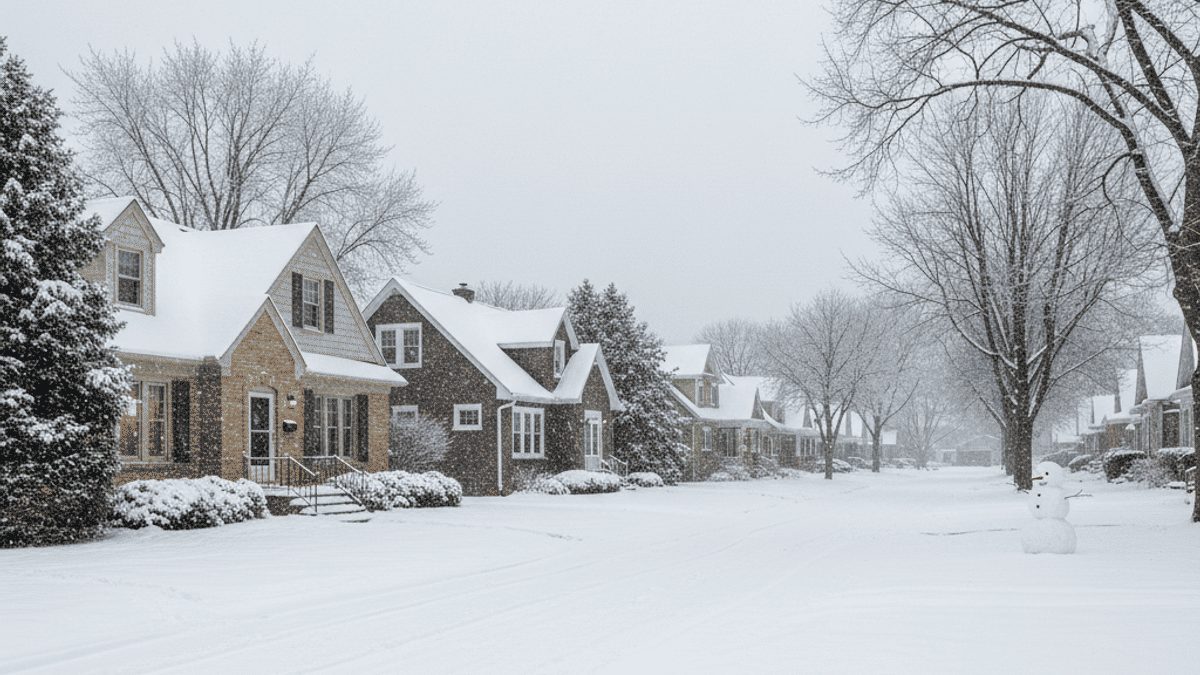
Snow removal. City ordinance gives you eight daylight hours after snowfall to clear the sidewalk. Live in a single-family home and forget, risk a $187 citation plus labor fees. Many residents outsource the chore at $30 per storm, December through March.
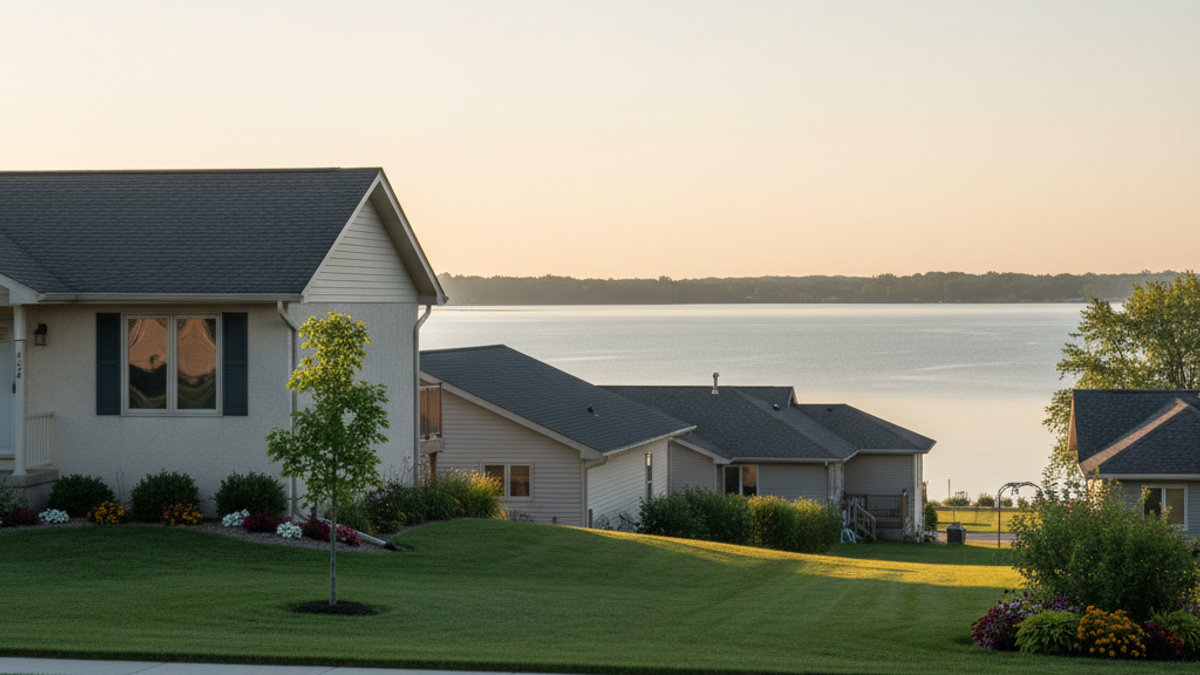
Lakeshore algae blooms. A gorgeous Mendota view can push up house value, but mid-July cyanobacteria closes beaches often. Boat owners pay extra marina fees to hop across to cleaner water or they trailer to Lake Waubesa.
Badger sports effect. Home football weekends spike Uber fares and hotel rates. Friends crash with you, you foot the extra grocery and utility load. Plan accordingly if you buy near Camp Randall.
Quick Math Check — Can You Swing It
Monthly sample budget for a two-income household, no kids, renting a two-bedroom on the near east side:
- Rent: $1,900
- Utilities: $180
- Internet: $75
- Groceries: $750 (they cook often)
- Dining + Entertainment: $450
- Transportation: $350 (one car, one bus commuter)
- Health insurance out-of-pocket: $275
- Miscellaneous: $300
Grand total: $4,280 before savings, student loans, or weekend getaways. With combined take-home of $7,500, they hit a 57 percent spend rate, leaving space to stash cash for a down payment within three years.
Swap in two kids, add daycare at $1,350 per child unless you land a coveted co-op spot. That single change flips affordability fast, which is why many growing households leap to suburbs like Verona or Waunakee where larger homes balance the childcare punch.
Ready To Crunch Your Own Numbers
Madison will not empty your pockets as fast as coastal giants, but it will challenge sloppy budgeting. Stick to smart housing choices, use the transit perks, savor affordable local traditions, and you keep the ledger healthy.
If you have questions about a neighborhood’s real-time pricing, reach out. I track listings, HOA quirks, and even which landlords include snow removal. Shoot me a message, I will send customized figures that beat any national cost-of-living calculator.
FAQs on Cost of Living in Madison
Q: What is the average household income in Madison, and does it keep pace with prices?
A: Median household income sits near $83,000. Dual-income professionals often pull six figures, which keeps rent-to-income ratios manageable for many, though single earners can feel squeezed by housing costs near campus or the Capitol.
Q: Where can I find lower-cost housing without a brutal commute?
A: Check the Far East corridor, especially neighborhoods around Cottage Grove Road, plus Northport Drive near Warner Park. Both connect to express bus lines, trimming ride time to downtown to fifteen or twenty minutes.
Q: Is public transit truly cheaper than owning a car here?
A: Factor parking, insurance, fuel, repairs, and you hit roughly $7,000 a year for a modest sedan. Annual bus pass plus the occasional rideshare rarely climbs above $1,200. The break-even point comes down to how often you visit out-state relatives or haul lumber from Menards.
Q: Hidden costs newcomers forget?
A: First winter wardrobe. Quality coat, waterproof boots, and gloves approach $500 if you arrive from a warm climate. Also, many rentals require a city-certified move-out cleaning, about $300 extra.
Q: How do education costs slot into the picture?
A: Public K-12 schools do not levy extra fees beyond standard supplies. Private options range from $7,500 to $14,000 per year. Post-secondary students at UW-Madison pay $11,000 in in-state tuition, or $39,000 if they cannot claim residency. Factor housing on top for the full view.
That is the straight-up snapshot. Run the numbers, compare with your current city, then decide if lakes, festivals, and squeaky cheese squeal your name loudly enough. When you are ready to talk addresses and keys, you know where to find me.