You probably already peeked at a few online listings, maybe even scrolled through social media photos of lakefront sunsets. Good start. Before you box up the coffee mugs, though, slow down for five minutes and read what life in Monona, Wisconsin, actually feels like.
Quick Snapshot: Monona in 2025
Population is holding steady at roughly 8,400 residents, and about 120 newcomers filed change-of-address forms last year. More people are arriving than leaving, yet turnover is low because residents tend to stick around. Median sale price sits near $447,000 after a gentle two-percent climb since 2024. Houses average eight days on market, condos just twelve. Translation: demand is real but not frantic.
All good so far, right? Keep the following four realities in mind before you hire the moving truck.
1. The Housing Hunt: Real Estate Without the Guesswork
Let’s start with the elephant in the room: cost. Monona is not the bargain basement of Dane County, yet it rarely joins the jaw-dropping price charts you see in the bigger metro next door. What you’ll notice instead is steady value. No roller-coaster spikes, no stomach-churning dips.
A few bullet-style notes to keep your comparison spreadsheet honest:
- Lake loops cost more
- Mid-century ranches dominate inland streets
- Newer town-home clusters fill the Riverfront Redevelopment Zone
- Vacant lots are almost nonexistent
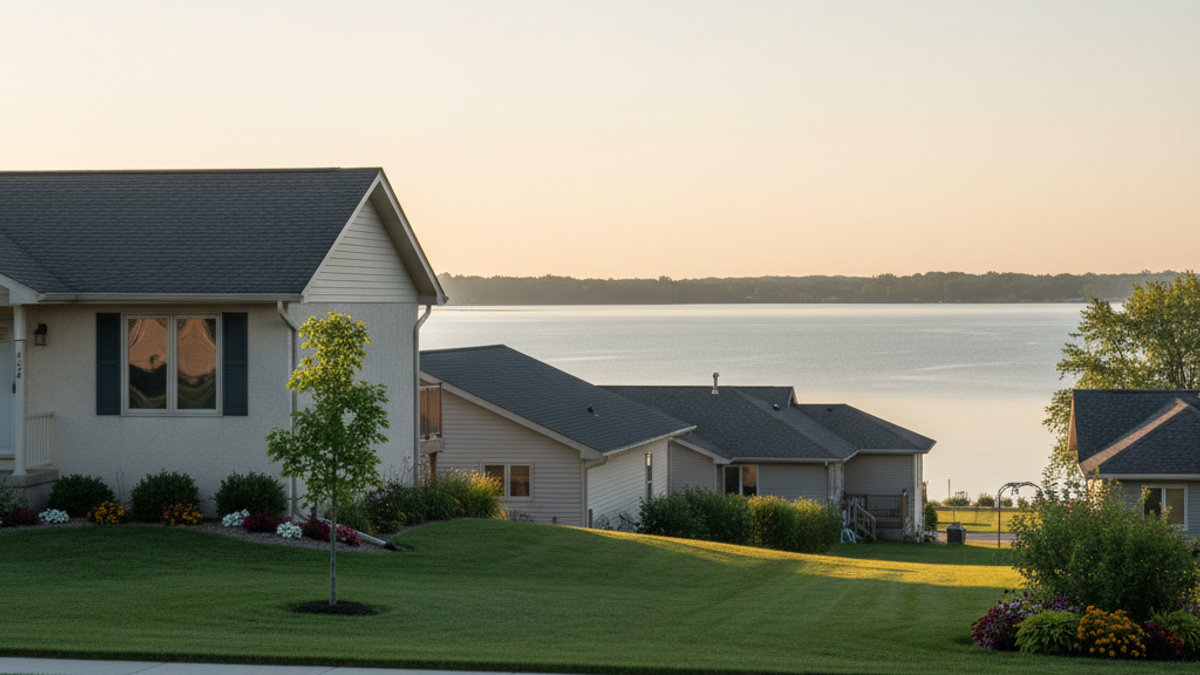
Most buyers look at three pockets first. On the west edge, Frost Woods sneaks right up to the shoreline with brick ranches around 1,500 square feet. Expect upper-400s if the kitchen has already been gutted and redone. Glide east and you’ll run into the newly reconfigured Bridge Road corridor. Two-bed condos run mid-300s, and they come with ground-floor retail so you can grab sushi rolls without starting the engine. If you crave yard space, Winnequah Heights sits farther inland with quarter-acre lots and mature oaks, pricing in the low 400s.
Curious about rent? One-bed units hover near $1,350, two-beds around $1,800. Lease spots fill fast because corporate hires from Madison tech firms camp out here while deciding whether to buy.
Future outlook. City planners green-lit fifty additional apartments along Monona Drive, ground breaks this fall. The project adds inventory and slows rent acceleration, although single-family stock is still capped by the lake on one side and Madison city limits on the other. Land is finite, demand is not. Keep that fact tucked away when you draft your offer letter.
2. Shoreline or City Limits: Neighborhood Personalities
Monona is only 3.4 square miles, yet micro-identities bloom on every block. That means your new zip code can feel lazy-lake-town quiet or borderline-urban busy, depending on where you plant your mailbox.
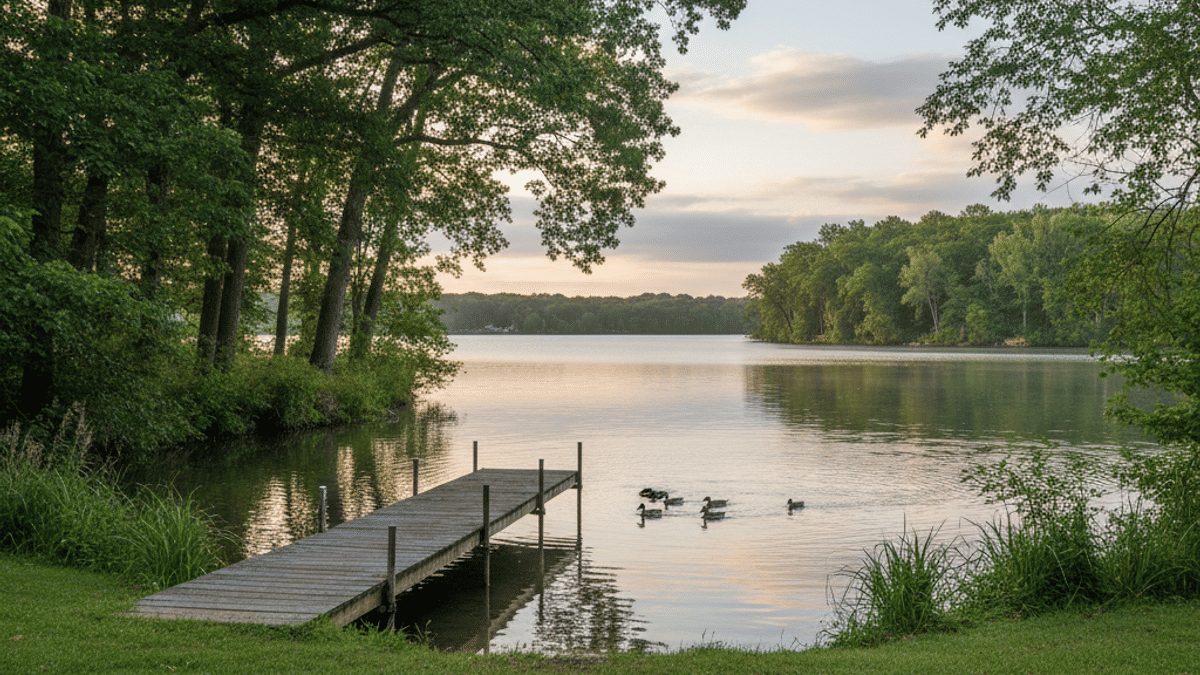
Picture yourself sipping Saturday coffee. Do you want ducks paddling by the pier, or the hum of a bus rolling toward downtown Madison? Answer that and you’ll narrow the search in minutes.
Here is the vibe scale locals use, from hush-quiet to buzz-busy:
- Frost Woods: front-porch chatter, backyard fire pits, zero thru-traffic
- Winnequah Road strip: dog walkers at sunrise, kayak trailers at dusk
- Monona Drive: the main drag with grocery stores, bakeries, auto shops, City Hall, and the library all stacked within a mile
- Bridge Road reboot: mixed-use lofts, coffee counters, craft beer, public art installations
Side note on community governance. Monona operates as its own city even though Madison almost hugs it on three sides. Separate police department, separate library system, separate property tax mill rate. City Council meetings are streamed on YouTube and average forty live viewers—tiny number, big indicator of resident engagement.
Local quirks that never make brochure copy:
- Speed limit on Monona Drive is 25. Everyone knows it, yet newcomers always collect the first ticket.
- Storm sirens test at 12:00 p.m. every first Wednesday. No, the world is not ending.
- The yard-waste crew runs one week earlier than Madison’s schedule. Miss the pickup and you’ll store leaf bags in the garage for a month.
Small stuff, sure, but living here feels smoother when you learn the unwritten rules upfront.
3. Work, Commute, and the Daily Grind
Many residents earn paychecks in Madison yet choose Monona for quieter evenings and easier lake access. Average door-to-desk commute runs twelve minutes by car, twenty by bike via the Lake Loop trail. Bus route 16 links the city to Capitol Square every thirty minutes during rush hour.
Employment hot spots within ten miles:
- Epic Systems in Verona
- University of Wisconsin’s research labs
- The American Family Insurance campus
- A swarm of biotech startups hugging East Washington Avenue
Remote work? Fiber internet is available almost everywhere inside city limits, with speeds topping out at one gig. Coworking space not required, though one brand-new option on Bridge Road recently added podcast booths for content creators.
Daily errands rarely need a highway. You’ll find:
- Two full-size grocery stores
- Pharmacies, hardware, and a local garden supply shack called The Flower Factory that lures plant nerds from three counties
- A community pool, open late May through Labor Day, that sells ten-visit punch cards for seventy bucks
Public services track well. Police response time averages three minutes, according to the last annual report. Fire department is volunteer-staffed but integrated with Madison for backup. Citywide recycling happens weekly, not every other week, which cuts garage clutter.
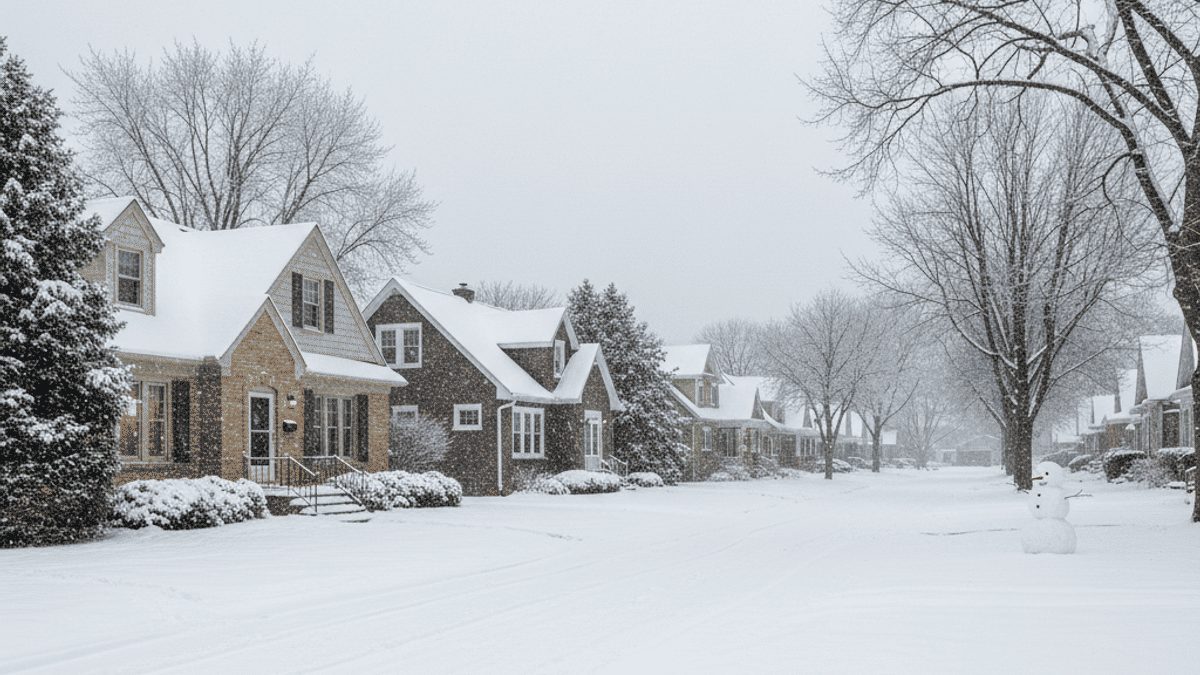
Weather reality check. Winter dumps thirty-something inches of snow, and the city plows curb-to-curb before sunrise ninety-five percent of the time. At least, that is what the public-works dashboard claims. Salt trucks keep Monona Drive passable, but side streets can glaze over at 5 a.m. If you own a rear-wheel-drive coupe, budget for snow tires or stay parked until the sun climbs.
4. Play Time: Recreation, Food, and Culture
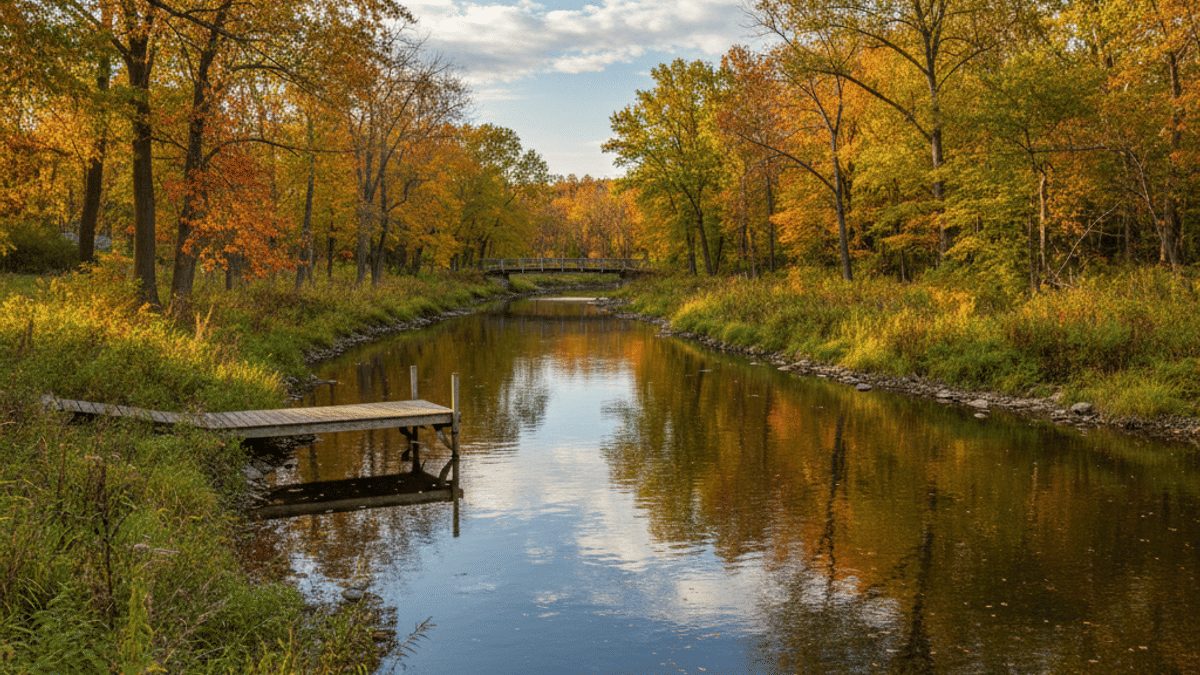
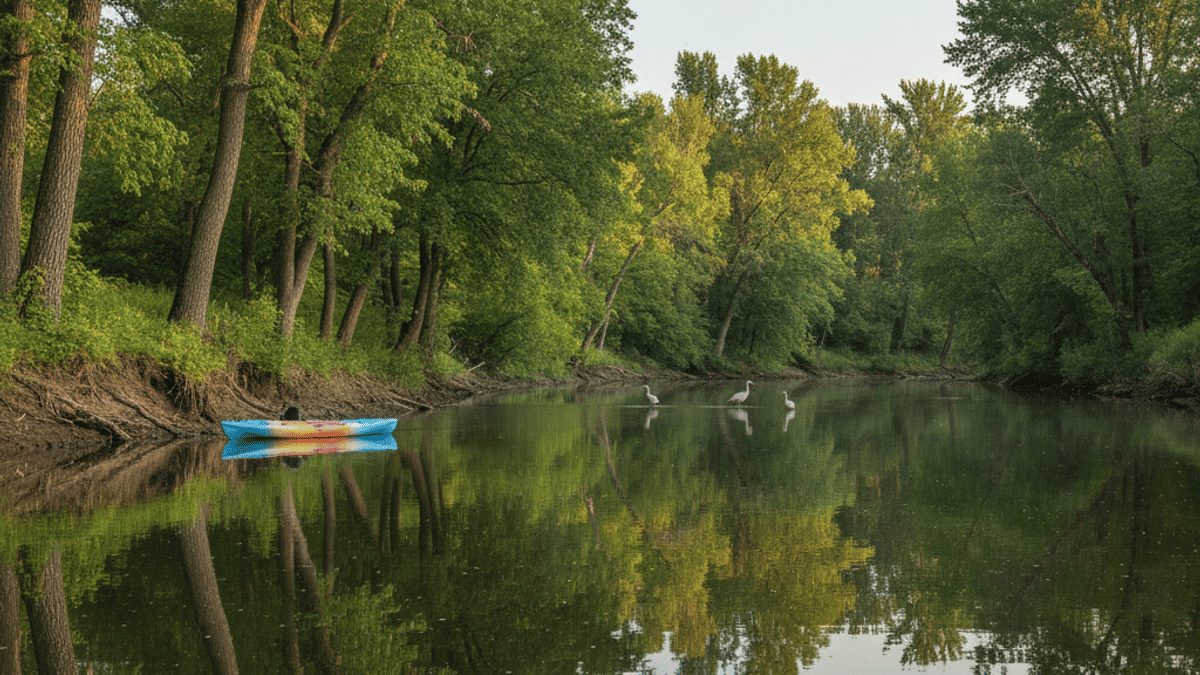
Let’s be honest, the headline perk is water. Lake Monona laps right into backyards, public parks, and even the occasional restaurant patio. Five city-maintained boat launches, two free for residents, handle everything from kayaks to twenty-foot runabouts. No boat? Rentals line up at Yahara River Boat Rentals from Memorial Day through October.
Parks and trails worth typing into your phone:
- Winnequah Dream Park, a sprawling wooden playground built by volunteers
- Monona Lake Loop, a full shoreline circuit popular with cyclists who time themselves against posted segment records
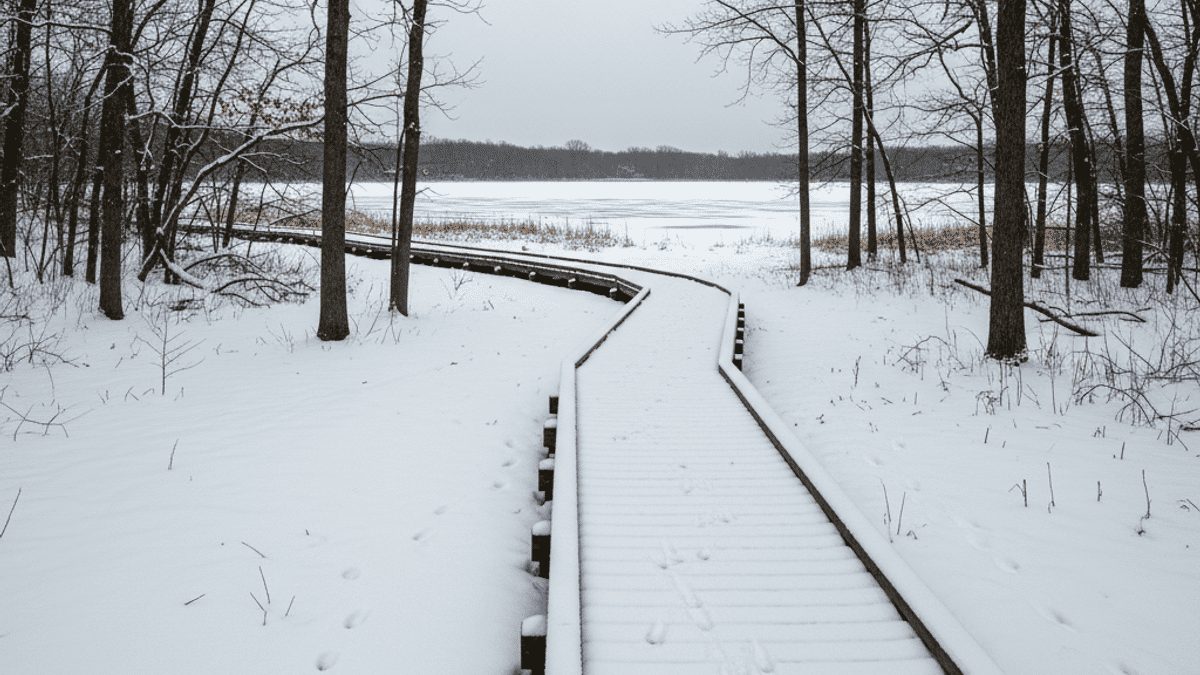
- Squaw Bay Nature Preserve, an under-the-radar bird-watching spot that never gets crowded because there is zero signage on the street
When hunger hits, culinary variety surprises first-timers. You can crush a craft burger at Mr. Brews, pivot to ramen at Umami, and finish with scooped-to-order gelato at Rosie’s. Food carts set up next to the library every Tuesday evening, and the farmers market runs May through October with live bluegrass each week.
Seasonal events:
- Fourth of July Festival called Celebrate Monona, featuring a paraded flotilla of decorated pontoons
- Monona Community Festival Art Fair on Winnequah Road each August
- Frost Woods Orchard Walk every October where neighbors press apples on vintage hand-cranked machines
Health and wellness get equal love. The local YMCA offers lap swim at 5:30 a.m. for the early birds. Yoga studios pop up inside converted storefronts along Bridge Road. Runners hit the same seven-mile lake loop cyclists use, though most peel off early at Olin Park for sunrise views of the Capitol dome.
Social life never stalls. City Facebook groups answer curbside-pickup questions within minutes, and impromptu block parties spring up the second thermometer reads seventy degrees. That intangible sense of everybody knowing everybody is real, yet not intrusive. People say hello, then let you enjoy your porch swing in peace.
Wrapping Up: Ready to Put Down Roots?
Moving to Monona means buying into more than a ZIP code. You get a manageable real-estate market, neighborhoods with distinct voices, commute times that will not eat your evenings, and a playbook of outdoor and cultural perks larger cities often oversell. Life stays busy but not chaotic, connected yet still calm enough to hear waves slap the dock.
If those ingredients match your wish list, start lining up showings. Just remember to respect the 25-mile-per-hour limit on Monona Drive. The welcome committee holding that speed gun is not nearly as forgiving as your new neighbors.
Five Quick FAQs About Moving to Monona
- How competitive are offers right now? Most detached homes still draw two to three offers, not ten. Waiving inspection is rare, though pre-inspection letters help.
- What property taxes should I expect? The 2024 mill rate came in at $21.27 per $1,000 of assessed value. On the median house, that pencils out to roughly $9,500 a year.
- Can I short-term rent my spare bedroom? Monona requires an annual permit and limits bookings to 180 nights per calendar year. Fines start at $200 per violation.
- Are utility costs reasonable? Electric averages $95 per month, gas $70, water and sewer $48, based on city billing data for a 1,600-square-foot ranch.
- How loud do things get during summer festivals? Music wraps by 10 p.m. per city ordinance, fireworks once a year before the Fourth of July. Residents within half a mile of Winnequah Park hear the show, everyone else mostly catches distant echoes.